


Whole-Food Diet Tips: A Beginner's Guide to Nourishing Your Body Naturally

Starting a whole-food diet can feel like stepping into a new world. But guess what? It’s simpler than you think, and I’m here to walk you through it with warmth and encouragement. Imagine filling your plate with vibrant, natural foods that fuel your body and mind. That’s the magic of whole foods. Whether you’re growing your own veggies or shopping at your local market, embracing whole foods is a powerful step toward better health.
Let’s dive into this journey together, breaking down what a whole-food diet really means, sharing practical tips, and showing you how to make it part of your everyday life. Ready? Let’s get started!
Whole-Food Diet Tips to Get You Started
When I first began exploring whole foods, I was amazed at how much better I felt just by making small changes. Here are some friendly tips to help you ease into this lifestyle:
Focus on Fresh and Unprocessed Foods
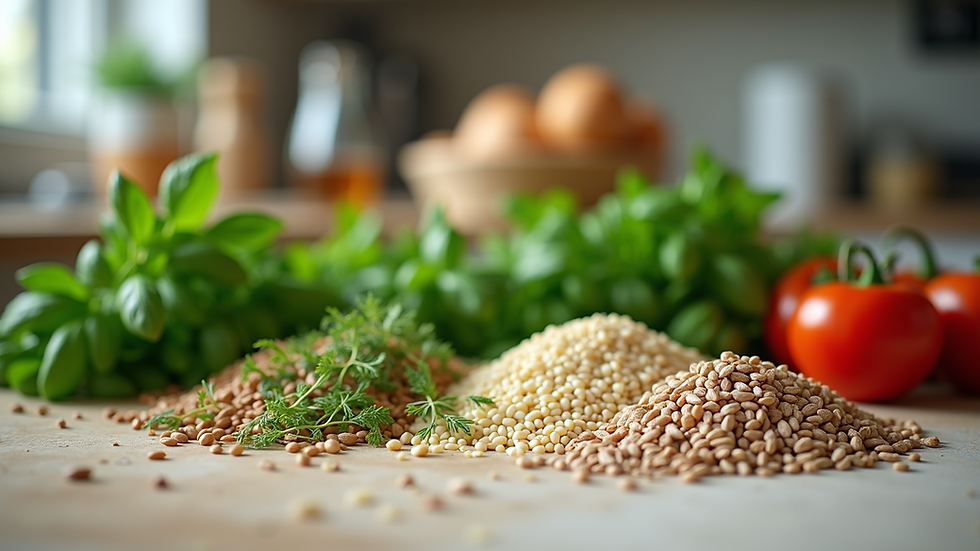
Think fruits, vegetables, nuts, seeds, whole grains, and legumes. These are the stars of a whole-food diet. Avoid anything with added sugars, preservatives, or artificial ingredients.
Shop Seasonally and Locally
This not only supports your community but also ensures you get the freshest produce. Plus, seasonal foods often taste better and are more affordable.
Cook at Home More Often
Preparing your meals lets you control what goes into your food. Start with simple recipes that highlight whole ingredients.
Grow Your Own Food
If you have space, even a small garden or a few pots on a balcony can provide fresh herbs, greens, or tomatoes. It’s rewarding and connects you to your food in a meaningful way.
Stay Hydrated with Natural Drinks
Water, herbal teas, and fresh fruit-infused water are great choices. Avoid sugary drinks and sodas.
Listen to Your Body
Whole foods nourish you, but everyone’s needs are different. Notice how you feel after meals and adjust accordingly.
By following these tips, you’ll build a solid foundation for a healthy, whole-food lifestyle that feels natural and enjoyable.

What is an example of a whole food diet?
Wondering what a day on a whole-food diet looks like? Let me paint a picture for you. Imagine waking up to a bowl of oatmeal topped with fresh berries and a sprinkle of nuts. For lunch, a vibrant salad with mixed greens, chickpeas, avocado, and a drizzle of olive oil. Dinner might be roasted sweet potatoes, steamed broccoli, and grilled salmon or a hearty lentil stew.
Here’s a simple example menu:
Breakfast: Steel-cut oats with sliced bananas, walnuts, and a dash of cinnamon
Snack: An apple with almond butter
Lunch: Quinoa salad with cherry tomatoes, cucumbers, parsley, and lemon dressing
Snack: Carrot sticks and hummus
Dinner: Stir-fried vegetables with brown rice and tofu or chicken
This kind of eating is about whole, minimally processed foods that nourish your body and satisfy your taste buds. It’s flexible, too—feel free to swap ingredients based on what you enjoy or what’s available.
How to Transition Smoothly to a Whole-Food Diet
Switching to a whole-food diet doesn’t have to be overwhelming. Here’s a step-by-step approach that worked wonders for me:
Start Small
Replace one processed item a day with a whole food alternative. For example, swap sugary cereal for plain yogurt with fresh fruit.
Plan Your Meals
Having a plan reduces stress and helps you avoid last-minute unhealthy choices. Try batch cooking or prepping ingredients ahead of time.
Explore New Recipes
Experimenting in the kitchen keeps things exciting. Look for recipes that use whole ingredients and simple techniques.
Keep Healthy Snacks Handy
Nuts, seeds, fresh fruit, and cut veggies are perfect for when hunger strikes.
Be Patient and Kind to Yourself
Change takes time. Celebrate your progress, and don’t worry about perfection.
By taking it one step at a time, you’ll find that whole-food eating becomes second nature.
Benefits of Embracing Whole Foods in Your Diet
You might be wondering, “What’s in it for me?” Well, the benefits of a whole-food diet are truly inspiring:
Improved Energy Levels
Whole foods provide steady energy without the crashes caused by processed sugars.
Better Digestion
High fiber content in whole grains, fruits, and vegetables supports a healthy gut.
Weight Management
Whole foods are nutrient-dense and filling, helping you maintain a healthy weight naturally.
Stronger Immune System
Vitamins, minerals, and antioxidants in whole foods boost your body’s defenses.
Reduced Risk of Chronic Diseases
Studies show diets rich in whole foods can lower the risk of heart disease, diabetes, and certain cancers.
Environmental Impact
Choosing whole, local foods often means less packaging and lower carbon footprints.
These benefits make the effort worthwhile and encourage a lifelong commitment to nourishing your body with the best nature has to offer.
Tips for Growing Your Own Whole Foods at Home
One of the most rewarding parts of embracing a whole-food diet is growing your own produce. Here’s how to get started, even if you’re a total beginner:
Choose Easy-to-Grow Plants
Start with herbs like basil, mint, or parsley. Leafy greens such as spinach and lettuce are also great for beginners.
Use Containers or Raised Beds
If you don’t have a garden, pots on a balcony or windowsill work perfectly.
Get Quality Soil and Seeds
Healthy soil is the foundation of a thriving garden. Look for organic options if possible.
Water Consistently
Keep the soil moist but not soggy. Early morning watering is best.
Learn About Sunlight Needs
Most vegetables and herbs need at least 6 hours of sunlight daily.
Harvest Regularly
Picking leaves or fruits encourages plants to keep growing.
Growing your own food connects you deeply to what you eat and ensures you have fresh, chemical-free ingredients at your fingertips.
If you’re curious to explore more about how to start your journey, check out this helpful whole food diet for beginners guide that breaks down everything you need to know.
Embracing a whole-food diet is a beautiful way to honor your body and the earth. With patience, curiosity, and a little effort, you’ll find yourself thriving in ways you never imagined. So grab those seeds, fill your plate with color, and enjoy every bite of this nourishing adventure!


Comments